

Quick answer
A golden triangle india tour itinerary typically spans five to seven days, with two days in Delhi, one full day in Agra for the Taj Mahal and Agra Fort, two days in Jaipur covering Amber Fort and the City Palace, and travel segments of four to six hours between cities. Most visitors allocate an extra day for buffer or extended exploration at one anchor monument.
The three cities sit at nearly equal distances from one another, creating the geometric formation that gives the route its name. Delhi to Agra measures 233 kilometers via the Yamuna Expressway, Agra to Jaipur spans 240 kilometers through Fatehpur Sikri, and Jaipur back to Delhi closes the triangle at 280 kilometers. Each segment demands a half-day of travel, so the itinerary structure hinges on whether you move between cities in the morning or afternoon. Delhi anchors the circuit with Mughal monuments, colonial boulevards and dense market quarters that require at least two full days. Red Fort opens at 06:00, Qutub Minar at 07:00, and Humayun's Tomb at 06:00 through the week, making early starts the standard rhythm. Most itineraries dedicate the first day to Old Delhi—Jama Masjid, Chandni Chowk, and Red Fort—and the second to Lutyens' Delhi and the southern tomb complexes. The drive to Agra departs on day three, arriving by midday. Agra holds travelers for one night and one complete day. The Taj Mahal admits visitors from sunrise, and most India tour plans schedule that visit for early morning on day four, followed by Agra Fort in the late morning and Itimad-ud-Daulah or Mehtab Bagh in the afternoon. The onward journey to Jaipur via Fatehpur Sikri—a fortified Mughal city abandoned in 1585—adds two hours to the route but justifies the detour for travelers with an extra half-day. Jaipur closes the triangle with palaces built in salmon-pink sandstone and a sprawling hilltop fort that requires three to four hours to tour properly. Amber Fort sits eleven kilometers outside the city center, and most itineraries place it on day five, with the City Palace, Jantar Mantar observatory, and Hawa Mahal reserved for day six. The return leg to Delhi, whether by road or rail, occupies the morning of day seven, completing the circuit at the point of departure.
“Each segment demands a half-day of travel, so the itinerary structure hinges on whether you move between cities in the morning or afternoon.”
Golden Triangle India Tour Itinerary: A Day-by-Day Route
This classic 6-day circuit connects Delhi's Mughal heritage, Agra's iconic monuments, and Jaipur's royal architecture, with manageable drive times between each city.
Arrive Delhi – Red Fort & Qutub Minar
Land in Delhi, settle in, and visit Red Fort's Diwan-i-Aam halls and Qutub Minar (address: Kalka Das Marg, Mehrauli; 379 steps to the top). Arrive between 06:00–09:00 to avoid midday heat.
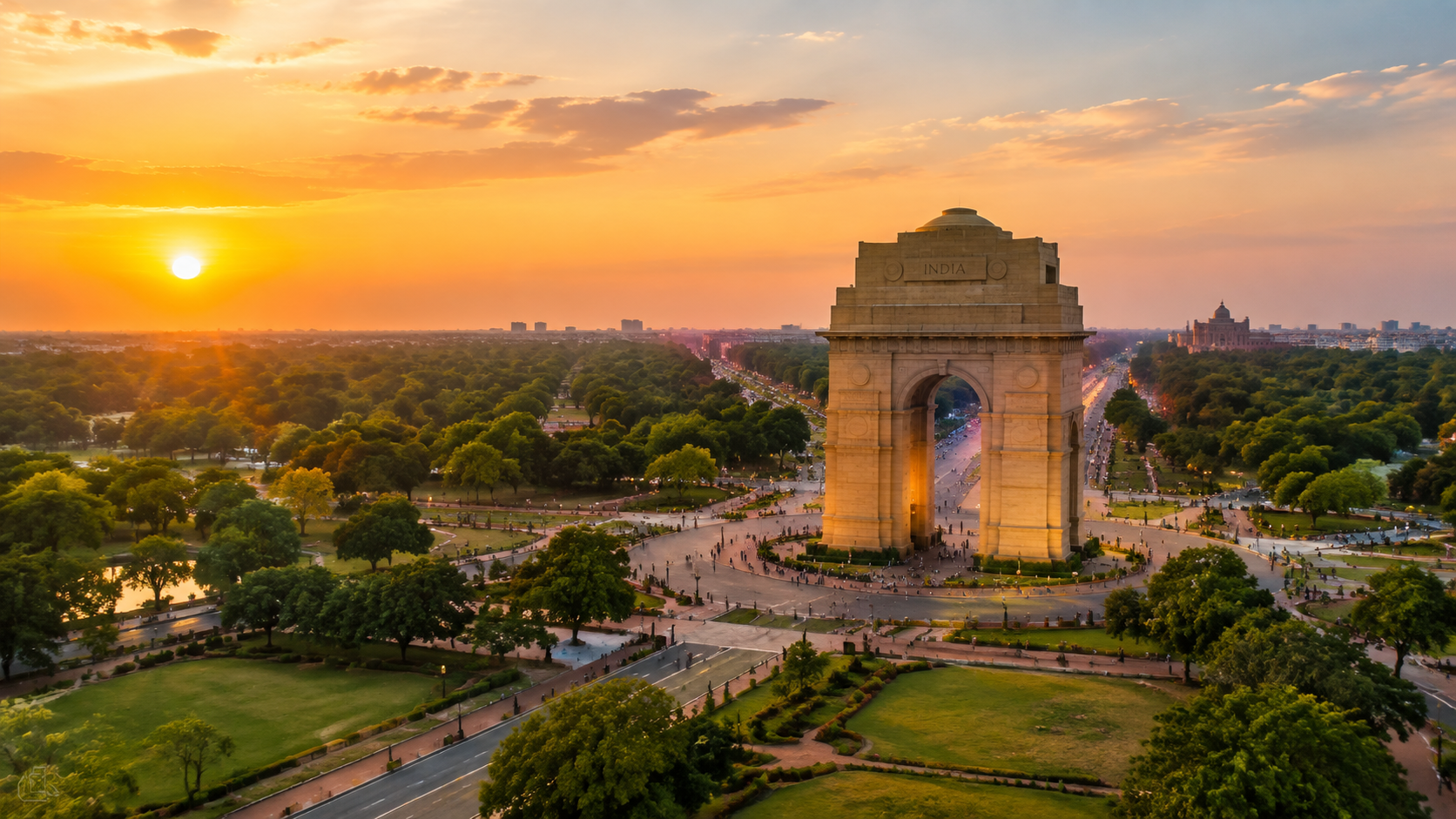
Humayun's Tomb & India Gate
Explore Humayun's Tomb gardens in the morning, then proceed to India Gate and Connaught Place. Budget 3–4 hours for both sites including transfer time.
Drive to Agra – Taj Mahal Sunset
Depart Delhi early (4-hour drive), check in, then visit the Taj Mahal in late afternoon light. Evening entry reduces crowds and offers cooler temperatures for photos.
Agra Fort & Drive to Jaipur
Tour Agra Fort's courtyards and Musamman Burj in the morning, then drive 5 hours to Jaipur via Fatehpur Sikri (optional 1-hour stop). Arrive Jaipur by evening.
Amber Fort & City Palace
Visit Amber Fort's Sheesh Mahal at opening time, return to Jaipur city for City Palace and Jantar Mantar observatory. The fort sits 11 km outside Jaipur; factor 30 minutes each way.
Hawa Mahal & Departure
Photograph Hawa Mahal's façade from the street, browse Johari Bazaar for textiles, then transfer to Jaipur airport or return to Delhi (5-hour drive). Domestic flights from Jaipur save road time.
Best Time for Your Golden Triangle India Tour Itinerary
The most favorable period to visit the Golden Triangle is from October to March, when cooler temperatures make inter-city travel and outdoor exploration comfortable. This window avoids the extreme heat of the summer months and the heavy rainfall of the monsoon season.
October to March
HighMild, 10°C to 25°C
This peak season offers pleasant conditions for touring Delhi, Agra, and Jaipur. Expect larger crowds at major monuments during these months.
April to June
ModerateHot, 30°C to 45°C
Temperatures rise significantly, making midday sightseeing difficult. It is a period of reduced visitor numbers for those who can tolerate heat.
July to September
LowHumid with periodic rainfall
The monsoon season brings rain and high humidity. Landscapes become green, though travel delays may occur due to weather.
Verdict: The best time for travel is between November and February, when moderate temperatures allow for sustained outdoor activity across the region.
Transportation Logistics for the Golden Triangle India Tour Itinerary
The Golden Triangle connects Delhi, Agra, and Jaipur through a well-established network of national highways and express train services. Navigating between these cities is most efficiently achieved via private car transfers or the Indian Railways network.
Gatimaan Express (Delhi to Agra)
Yamuna Expressway (Delhi to Agra)
NH 21 (Agra to Jaipur)
Shatabdi Express (Jaipur to Delhi)
Key Monuments on the Golden Triangle India Tour Itinerary
The Golden Triangle circuit connects Delhi, Agra, and Jaipur, showcasing diverse architectural styles ranging from Mughal mausoleums to Rajput fortifications. These sites offer a structured look into the historical progression of northern India.
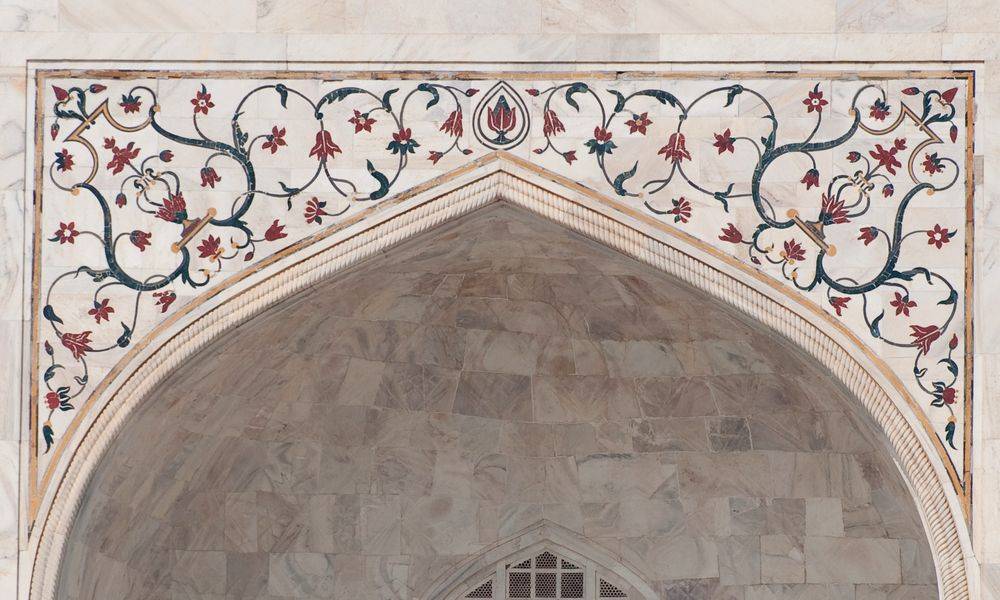
Taj Mahal
A white marble mausoleum commissioned by Emperor Shah Jahan for his wife Mumtaz Mahal.
View from the central reflecting pool at dawn for clear light.
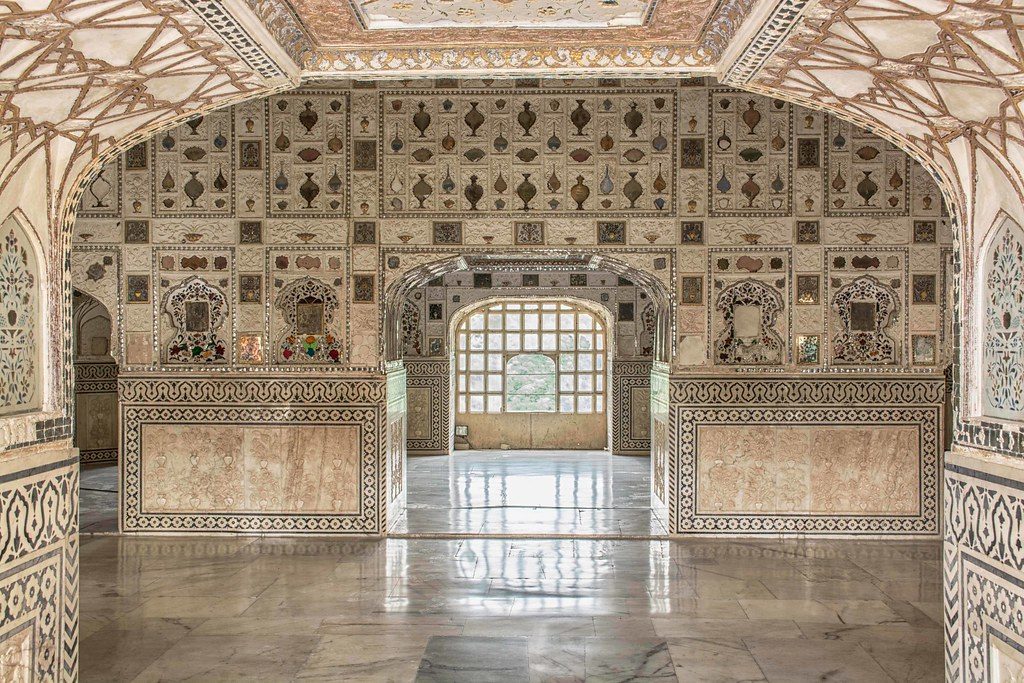
Amer Fort
A sprawling complex built with red sandstone and marble, featuring the Sheesh Mahal or Palace of Mirrors.
Walk to the upper courtyard for views of Maota Lake.
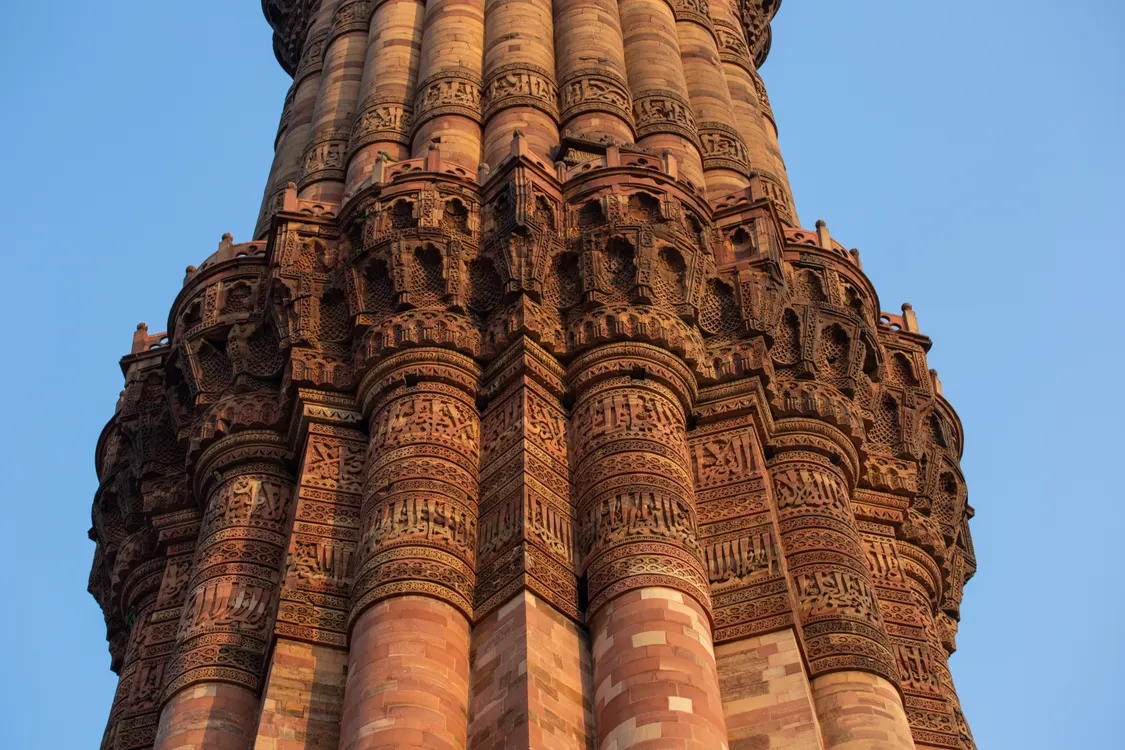
Qutub Minar
A 73-meter tall tapering minaret constructed from red sandstone and marble, surrounded by ancient ruins.
Observe the intricate Quranic inscriptions at the base.
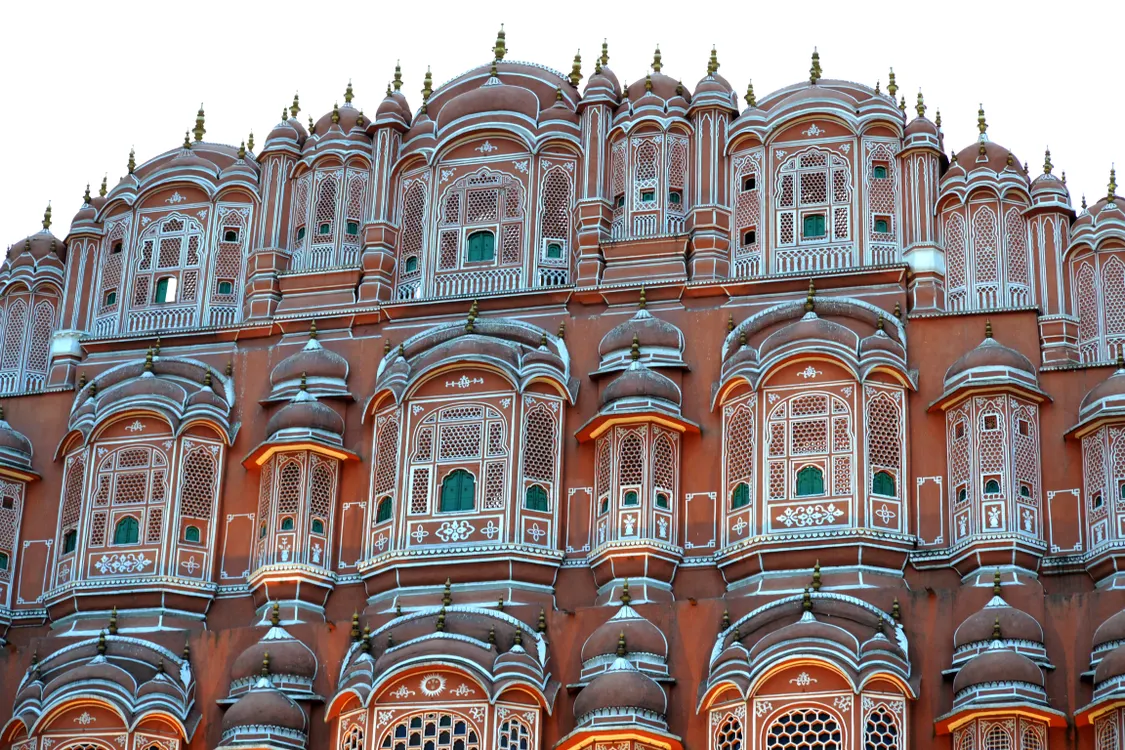
Hawa Mahal
A five-story pink sandstone structure designed with 953 small windows known as jharokhas.
Visit the street opposite for the best exterior perspective.
Preparation Checklist for the Golden Triangle India Tour Itinerary
Prepare documentation, health essentials, and appropriate gear before departing for the three-city circuit.
-
Carry a valid passport and visa — Indian e-visas require at least six months validity remaining on your passport.
-
Book domestic transport tickets in advance — Train and flight availability tightens during peak season across Delhi, Agra, and Jaipur.
-
Pack lightweight, breathable clothing and sun protection — Temperatures frequently exceed 40°C in summer months across all three cities.
-
Arrange travel insurance covering medical emergencies — Hospital access varies significantly outside major urban centers along the route.
-
Download offline maps for each city — Mobile data coverage can be inconsistent in rural sections between destinations.
-
Confirm hotel locations relative to monument districts — Properties near major sites reduce daily transport time and early-morning access delays.
-
Prepare a small daypack for monument visits — Security checks prohibit large bags at Taj Mahal and several palace complexes.
Check availability
Frequently asked questions about golden triangle india tour itinerary
Everything you need to know about golden triangle india tour itinerary